What Experts In The Field Would Like You To Know
The Comprehensive Guide to Indoor Walkers: Benefits, Features, and Recommendations
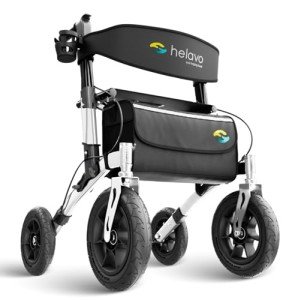
Indoor walkers, typically created for safety and ease of use, are vital help for people with mobility problems, seniors, or anyone recuperating from surgical treatment or injury. These devices offer stability, support, and confidence, permitting users to preserve an active lifestyle within the convenience of their homes. This article delves into the various elements of indoor walkers, including their benefits, key features, factors to think about when buying one, and a comparison of the top-rated designs available in the market today.
Advantages of Using an Indoor Walker
Indoor walkers use a plethora of benefits, from safety to health enhancement. Here are a few of the most substantial benefits:
Benefit
Description
Increased Stability
Provides support to prevent falls, making it much safer to walk.
Enhanced Mobility
Motivates greater motion throughout the home.
Improved Confidence
Users feel more secure, minimizing stress and anxiety about moving.
Physical Rehabilitation
Aids in the recovery process for post-surgery clients.
Better Posture
Promotes correct body alignment while walking.
Social Interaction
Enables users to engage more with household and visitors.
Customizable Features
Many models accommodate individualized needs such as height adjustments.
Secret Features of Indoor Walkers
When selecting an indoor walker, it is vital to evaluate its features to ensure it meets the user's particular needs. Here are some features to consider:
- Adjustable Height: Ensures that the walker fits the user's body size for optimum convenience.
- Foldability: Many walkers can be folded for easy storage and transport, making them convenient for those who might take a trip.
- Weight Capacity: Check the maximum weight the walker can support to ensure use.
- Design Options: Options may include traditional walkers, rolling walkers with wheels, or specialized models for included functionality.
- Hand Grips: Ergonomic grips help supply convenience and minimize the danger of slipping.
- Brakes: A reliable braking system is essential for security when using rolling walkers.
- Extra Accessories: Features like storage baskets or trays can be advantageous for carrying personal items.
Factors to Consider When Purchasing an Indoor Walker
Selecting the right indoor walker can significantly impact the user's mobility and lifestyle. Here are some elements to remember:
1. User's Condition
- Evaluate the mobility constraints or healing requirements of the user.
2. Kind of Walker
- Figure out whether a standard walker or a rolling walker is more suitable based upon the user's capability to lift the walker or the need for mobility as they walk.
3. Home Environment
- Consider the space in the home where the walker will be used. Is there enough room to maneuver through entrances and narrow hallways?
4. Personal Preference
- Looks and color can matter as users may feel more comfortable utilizing a walker that they discover visually appealing.
5. Maintenance
- Think about the maintenance and sturdiness of the walker. find more info require more maintenance than others.
6. Rate Point
- Indoor walkers can differ substantially in cost. Determine a spending plan that satisfies both quality and cost.
Top Indoor Walkers: A Comparison
The marketplace features numerous indoor walkers created to deal with various requirements. Below is a relative table showcasing some of the best indoor walkers presently offered.
Walker Model
Type
Weight Capacity
Adjustable Height
Foldable
Price Range
Medline Heavy Duty Walker
Standard Walkers
Approximately 400 pounds
Yes
Yes
₤ 50 – ₤ 70
Drive Medical Rollator
Rolling Walker
Up to 300 pounds
Yes
Yes
₤ 70 – ₤ 100
Hugo Mobility Walker
Rolling Walker
Approximately 250 lbs
Yes
Yes
₤ 60 – ₤ 90
Nova Medical Walker
Requirement Walkers
Up to 300 lbs
Yes
Yes
₤ 85 – ₤ 120
Zler Folding Walker
Standard Walkers
Approximately 300 lbs
Yes
Yes
₤ 40 – ₤ 70
Frequently Asked Questions (FAQ)
1. Do indoor walkers have a weight limit?
Yes, most indoor walkers have actually a specified weight capability. It is important to select a walker that can support the user's weight for security.
2. Can a walker be utilized outdoors?
While indoor walkers can often be utilized outdoors, it's advisable to utilize walkers specifically created for outdoor use, which may offer better stability and balance on uneven surfaces.
3. How do I identify the proper height for my walker?
The correct height for a walker is generally waist-high when the user is standing. Users should have the ability to maintain a natural posture while holding the walker.
4. How do I tidy and preserve my indoor walker?
Regularly clean down the walker with a damp cloth and moderate detergent. Examine the brakes, wheels, and any moving parts to guarantee they are functioning properly.
5. How can I improve my comfort while using a walker?
Think about utilizing grips with additional cushioning or wearing encouraging shoes. It's essential to change the height of the walker to prevent strain on the back and arms.
Indoor walkers function as necessary tools for improving mobility, safety, and independence for people with mobility challenges. With different models to choose from, it is important to consider elements such as the user's particular needs, the home environment, and the walker's features. By choosing the ideal indoor walker, users can enhance their lifestyle, maintain their self-reliance, and continue engaging in everyday activities with confidence.